Will AI Drain the Earth’s Water?
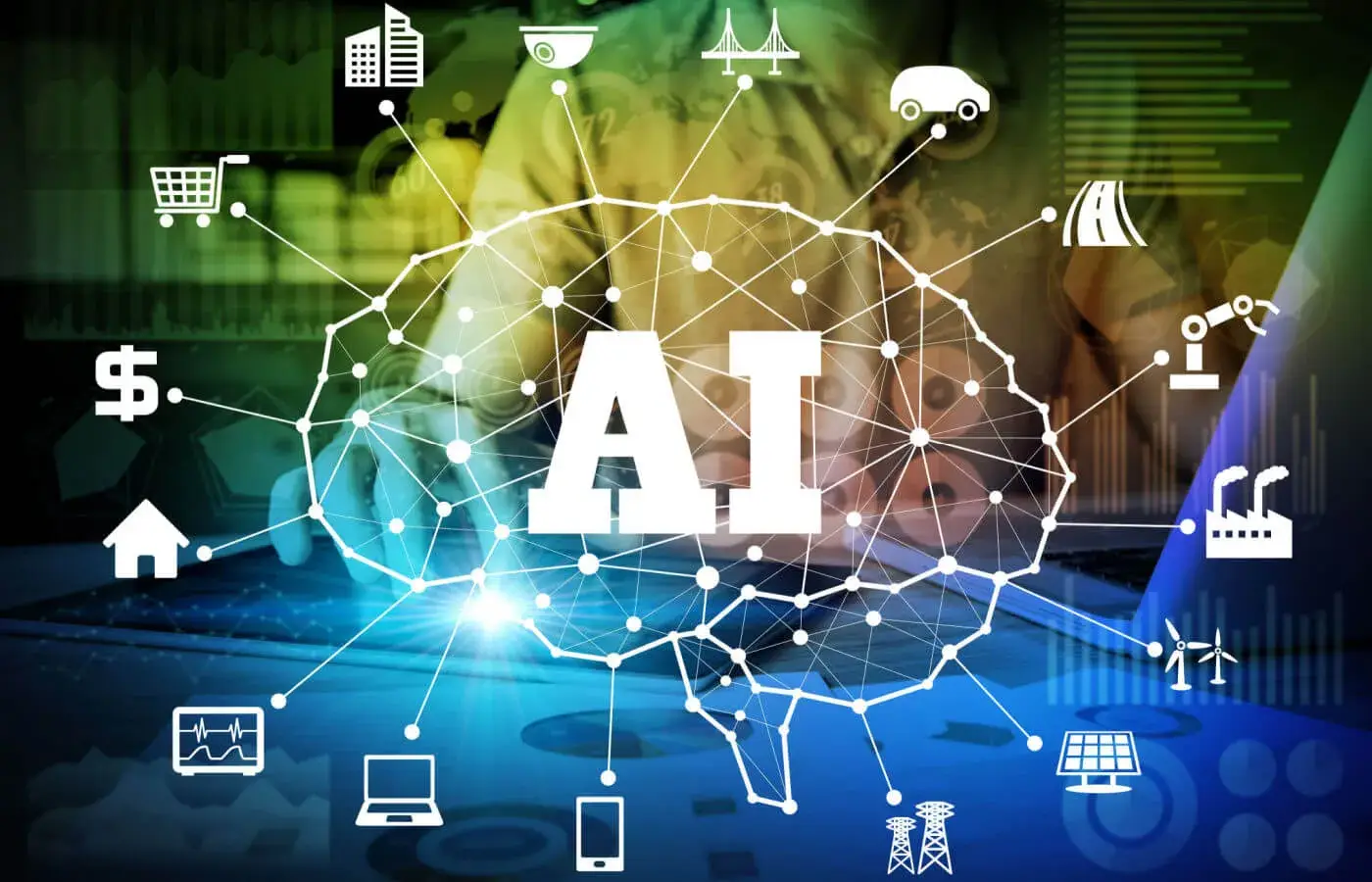
Artificial Intelligence has become a major part of our daily lives. Whether it is asking AI for answers to our doubts, generating images, listening to songs, or searching for information, these services appear to be instant and free. However, experts warn that these conveniences come with an environmental cost. One of the most important concerns is the amount of water consumed behind the scenes.
Why Does AI Need Water?
AI systems operate in massive data centers filled with thousands of servers and powerful computers. Since these machines run 24 hours a day, they generate a significant amount of heat. If this heat is not controlled, the servers could be damaged. To prevent this, powerful cooling systems are required.

Many data centers use liquid cooling systems, where large quantities of clean water are used to cool the servers and absorb the heat they produce. This is one of the main reasons behind the hidden water consumption associated with AI technology.
Even Asking a Question Uses Water
Studies by tech companies such as Microsoft and Google indicate that when a person asks around 20 to 50 questions to an AI system, roughly half a liter of water may be used in data centers for cooling purposes.This amount is roughly equal to a glass of drinking water.
While the water used for a single person may seem small, experts say the total becomes significant because millions of people around the world use AI every day.
Growing Water Demand
The growth of AI is extremely rapid. As the number of users increases, the number of data centers and their water requirements are also rising.
Some studies suggest that data center water consumption in India could increase from about 150 billion liters in 2025 to around 358 billion liters by 2030.
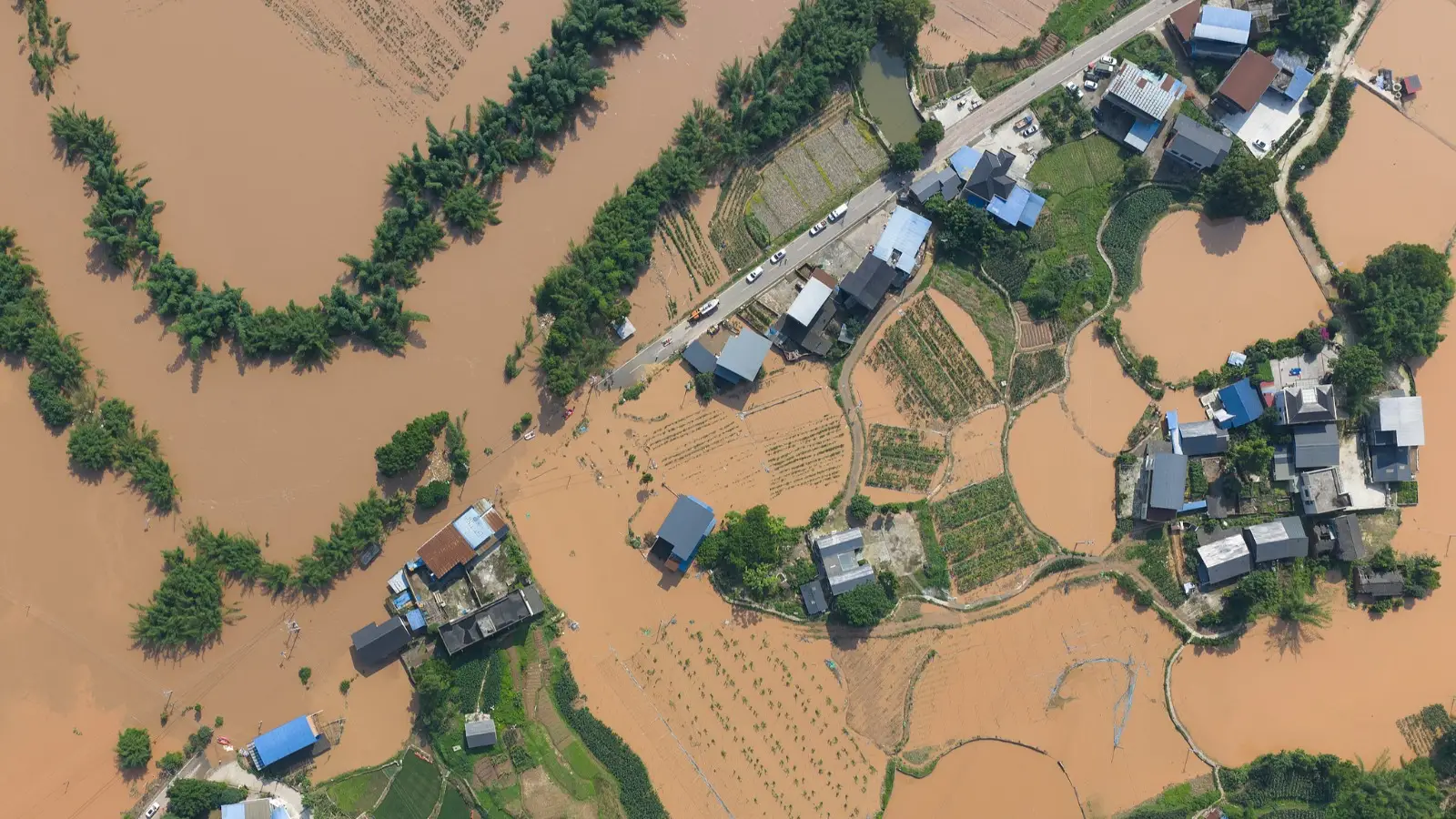
At the same time, several reports warn that 40% of Indian cities may face drinking water shortages by 2030. In this context, the water consumption of data centers has become an important topic of discussion.
The Water Crisis in Bengaluru
Once known as the “City of Lakes,” Bengaluru is currently facing a severe water shortage. Estimates suggest that data centers in the city consume around 8 million liters of water per day. Experts say this could add further pressure to local water resources.
What Is the Solution?
Experts are not suggesting that AI technology should be abandoned. AI has already become an essential tool in many sectors. However, they emphasize that society must become more aware of its environmental impact.
Technology companies are encouraged to develop more water-efficient cooling technologies and adopt water recycling systems in their data centers. At the same time, users should also be mindful of natural resources when using technology.
Experts remind us that while we embrace technological advancements, protecting natural resources remains one of the biggest challenges of our time.