Brahmapuram Solid Waste Treatment Plant Fire: New Study Says Weather Was Crucial in Reducing Pollution

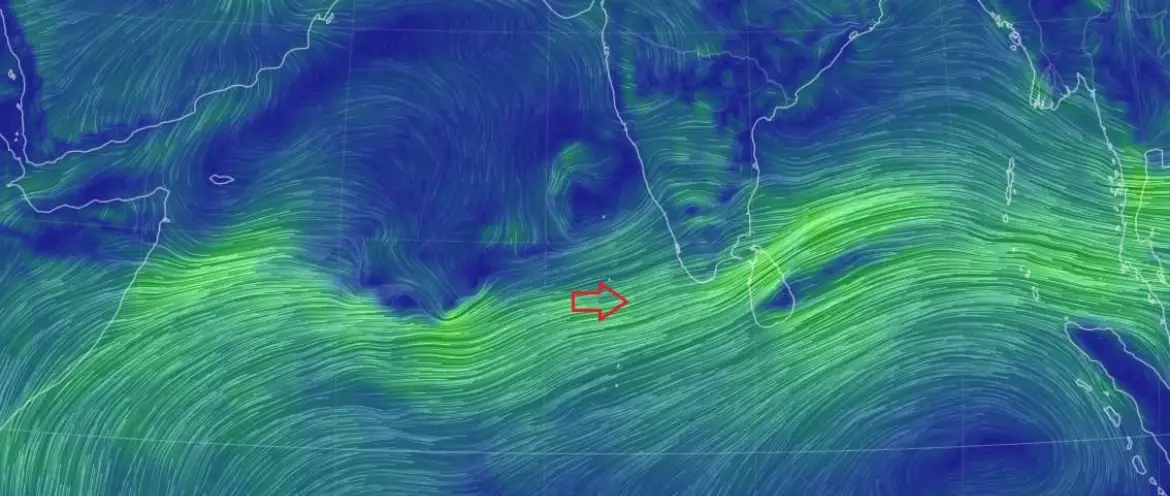
In the initial phase, the dust particles and toxic gases moved away from urban areas and towards the eastern Arabian Sea due to the excessive easterly winds, which helped reduce the intensity in urban areas.

Maneesha M.K
4 mins mins read

Brahmapuram Solid Waste Treatment Plant Fire: New Study Says Weather Was Crucial in Reducing Pollution

A new research study has revealed that the fire at the Brahmapuram Solid Waste Treatment Plant in Kochi in March 2023 sharply increased air pollution in the city, but weather factors such as wind direction and rainfall were crucial in partially mitigating the pollution impact.

The study states that

According to the study, the fire occurred in two phases — the first phase from March 4–13, and the second phase from March 19–28. In the first phase, data from the Central Pollution Control Board (CPCB) monitoring station in Vyttila showed that PM₂.₅, a major contributor to air pollution, increased by 152%; PM₁₀, by 175%; NO₂, by 440%; and SO₂ by 420% compared to normal levels. The study indicates that the concentration of pollutants in the air was highest in the early morning. The atmosphere was more stable, so the mixing and dispersion of air decreased, and therefore the concentration of dust particles was trapped in the lower layers of the atmosphere (pollutant trapping).

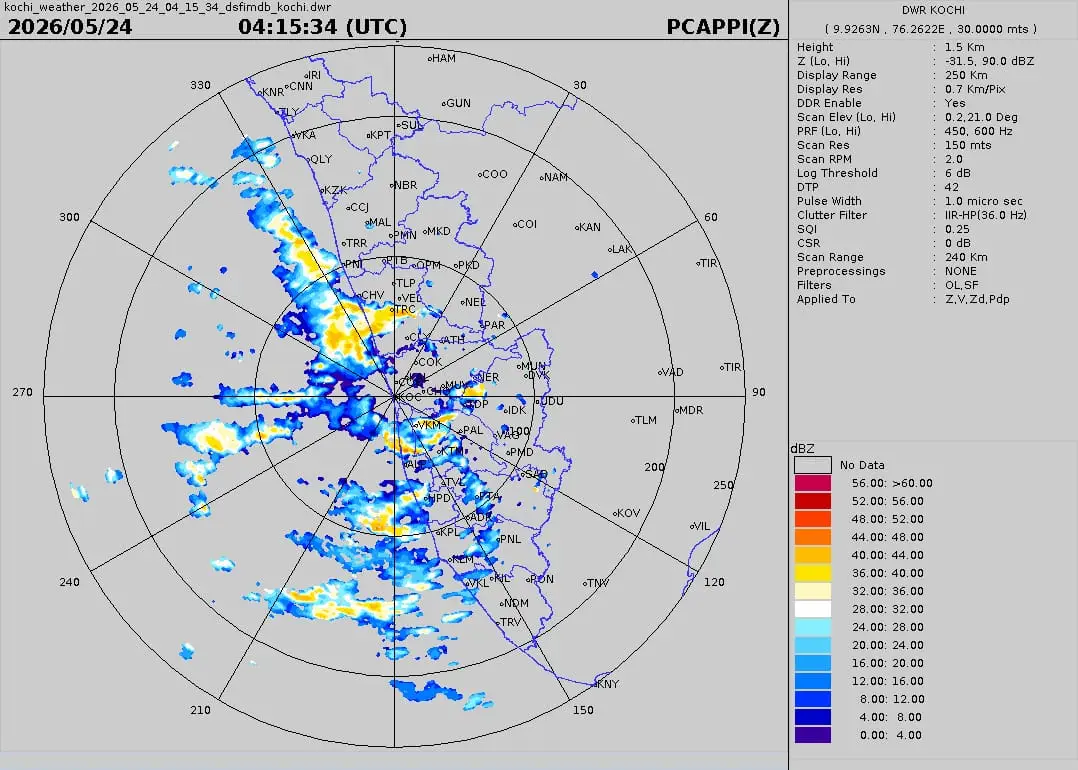
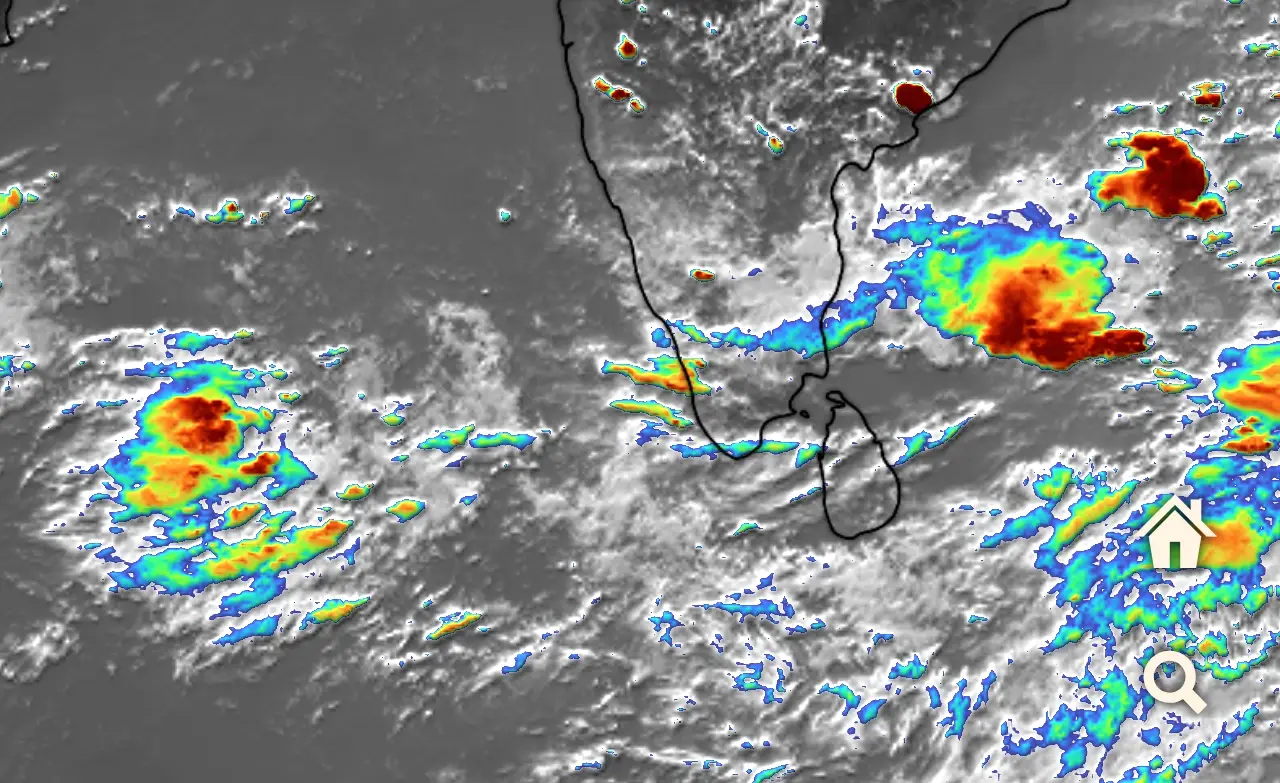
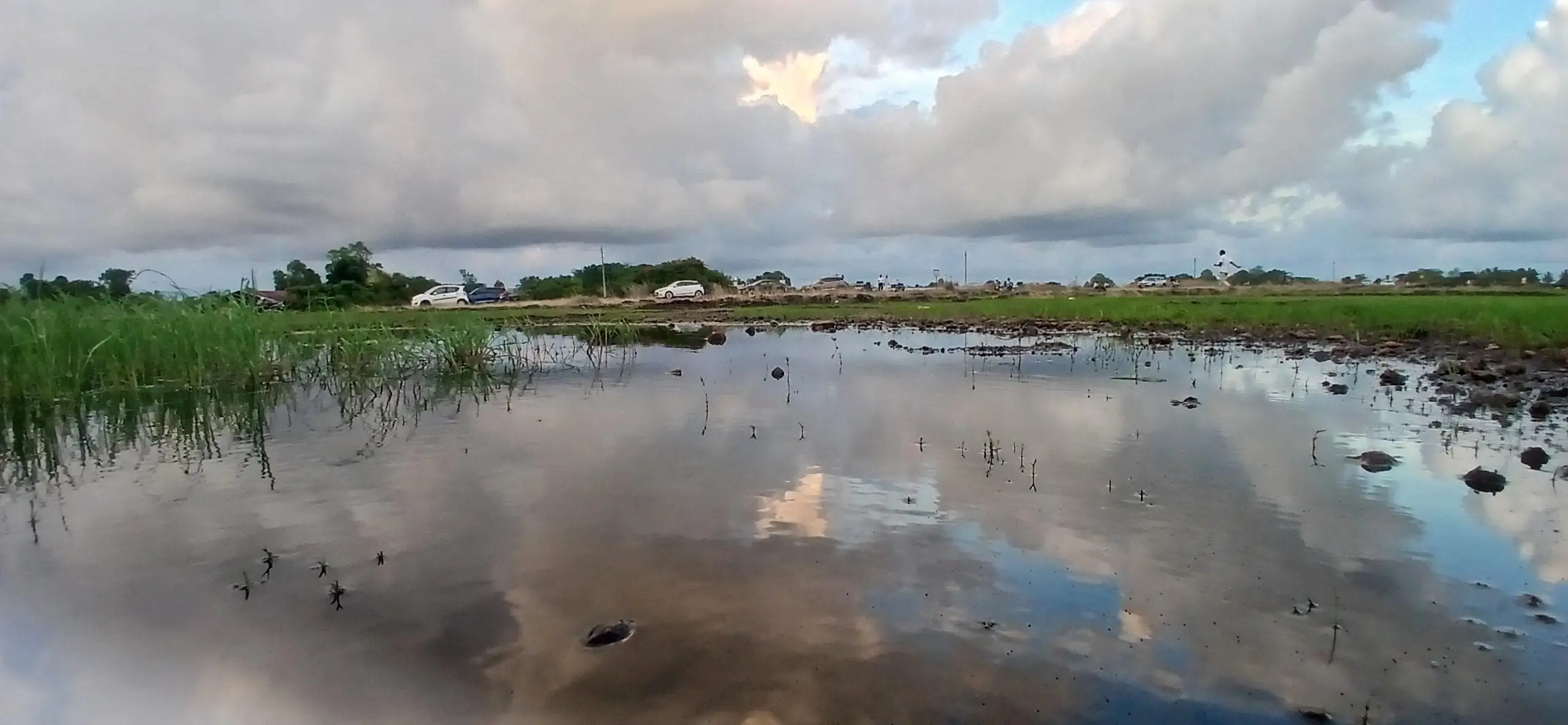
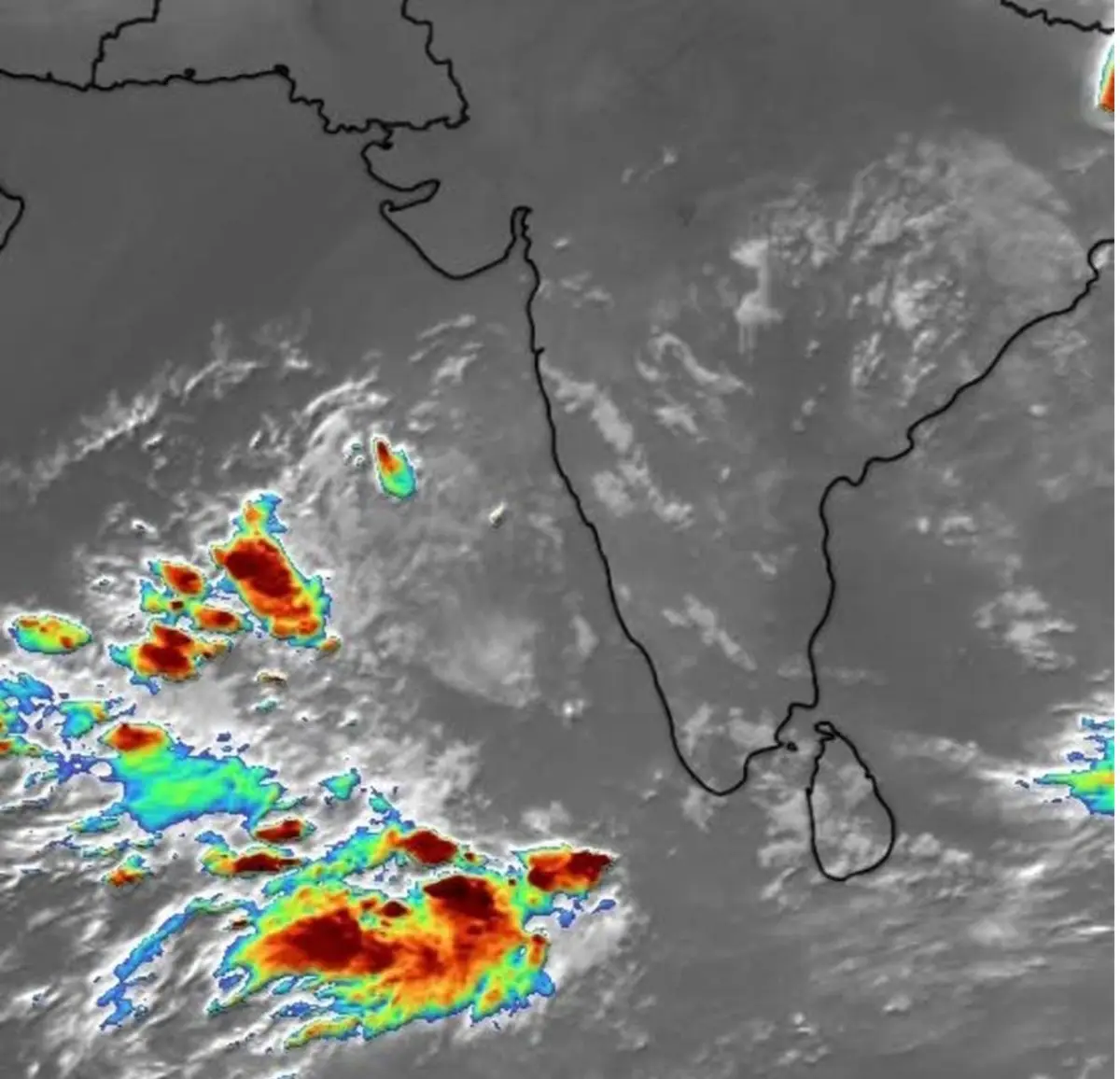
In the initial phase, the dust particles and toxic gases moved away from urban areas and towards the eastern Arabian Sea due to the excessive easterly winds, which helped reduce the intensity in urban areas. More rains in the following days brought more relief. Continuous rains in the middle of the month, which scavenged pollutants through wet deposition, improved air quality and was the main reason why the atmosphere remained free from excessive pollution. 

1768466566W.webp  1 a Location map of South India, highlighting Kochi, on which the Brahmapuram Municipal Solid Waste Treatment Plant (BMSWTP), the Central Pollution Control Board (CPCB) site at Vyttila, and the Advanced Centre for Atmospheric Radar Research (ACARR-CUSAT) are marked.

The study reports that chlorophyll-a (Chl-a) in the southeastern Arabian Sea increased abnormally when pollutants were blown into the sea by wind. Although such an increase is usually due to upwelling, the researchers estimate that the deposition of particles from the fire may have changed marine production without upwelling, as the SST (sea surface temperature) was recorded higher than normal during this period.

Dioxin panic created

There was a strong concern that the fire at the Brahmapuram waste treatment plant would cause a large amount of toxic dioxin to spread into the atmosphere. How will this affect the lives of people in and around Kochi city? How will it be transferred to future generations? Questions also remained.

Dioxins are a group of deadly organic compounds that are released during waste treatment and when solid waste is burned. Dioxins, which are mixed with soil, can persist for a long time. But according to a new study, such fears have been put to rest. 

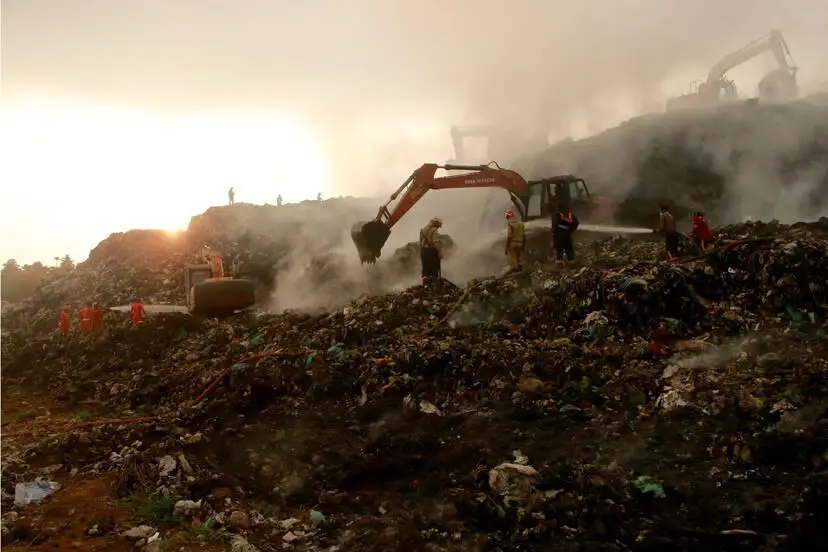
1768466668W.webpFirefighters trying to put out the fire at the Brahmapuram waste plant.                               Photo Credit: the hindu

The plastic mountain caught fire at the plant on March 2, 2023. The fire, which broke out in an isolated plastic mountain on the western side of the plant, spread to the garbage mountains on the eastern side by the evening of the next day. The fire was extinguished after 13 days. In addition to Brahmapuram, residents of Tripunithura, Thrikkakara, Kochi cities and many other areas in the district, including Aroor in Alappuzha district, were affected by smoke for several days. Hundreds of people sought treatment for smoke inhalation.

Vigilance and development came

Although there have been several fires in the past ten years, the 2023 fire increased vigilance. The authorities took steps to prevent a recurrence of the fire and improve the operation of the plant. After a year, many facilities were prepared in Brahmapuram. A new, renovated road replaced the main road that had collapsed. In the event of a fire, fire engines have been able to access the plastic mountains, which have been divided into sectors.

A watch tower has been set up to provide visibility to the waste mountains. Around 250 loads of biomining waste have been shipped to Tamil Nadu and Karnataka. 21 cameras, including 9 cameras and 12 cameras related to biomining, have been set up. 25 fire watchers have been deployed. Five teams are working to water the plastic mountains in view of the summer heat. They water the mountains in the morning and three existing hydrants have been activated to water them in case of a fire.