Weather Patterns Change in Kerala: Today’s Climate as a Warning for the Years Ahead

The weather in Kerala is changing, and people across the state are already experiencing it: hotter days, humid nights, unexpected heavy rainfall, winters without a cool effect, and freakish weather incidents are becoming normall

Ayshath Safeena M.H
5 mins mins read

Weather Patterns Change in Kerala: Today’s Climate as a Warning for the Years Ahead

The weather in Kerala is changing, and people across the state are already experiencing it: hotter days, humid nights, unexpected heavy rainfall, winters without a cool effect, and freakish weather incidents are becoming normal. These are not isolated incidents anymore. They are definite indications of long-term climate change affecting Kerala at a deeper level.

Today's weather conditions in the shift into another New Year are viewed more as a warning notice of what to expect within the coming years.

Climate Change in Kerala Is No More a Tomorrow Story

For decades, climate change was talked about as something to be worried about in some distant future. In Kerala, it is now part of life. The rising temperatures and erratic rainfall are evidence that the climate system of the state has shifted permanently.

The following factors predominantly stabilized the climatic pattern of Kerala:

Today, all these natural buffers are under huge stress.

The Arabian Sea Warming: Immediate Effect on Modern Climatic Conditions

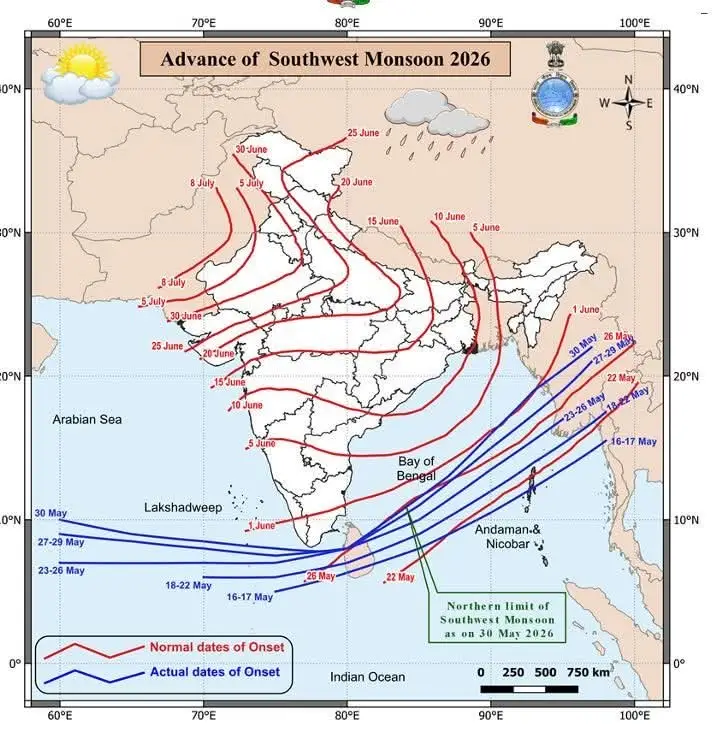
One of the most important factors influencing the climate of Kerala is the warming of the Arabian Sea. The sea surface temperature here is rising at a pace faster than many other parts of the Indian Ocean.

This warming directly impacts:

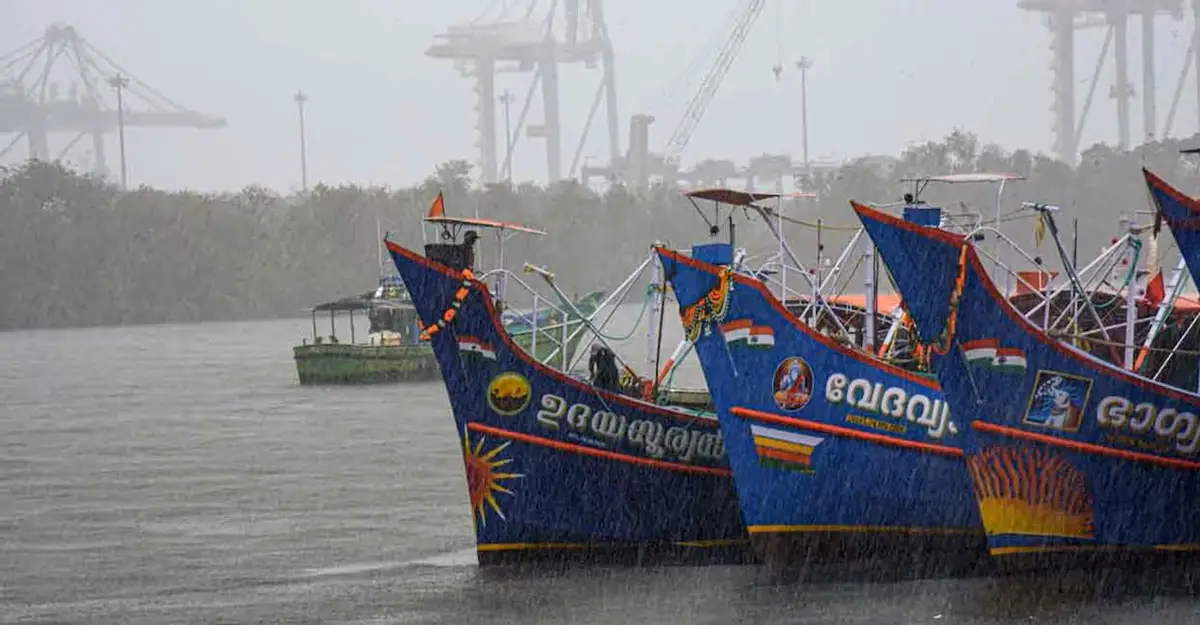
This has made it feel as if today's weather trends are more humid, warmer, and more unstable despite it not being monsoon season. Such durations trigger atmospheric systems; therefore, short duration but intense rainfall has increased, including during winter and new year seasons.

The Winters of Kerala Are Not Cool Anymore

December and January were considered the best months of Kerala. Of late, changes such as the following have been noticed:

This change is brought about by:

The lack of cool weather during winter is no longer short-term, but the result of a new climate change pattern.

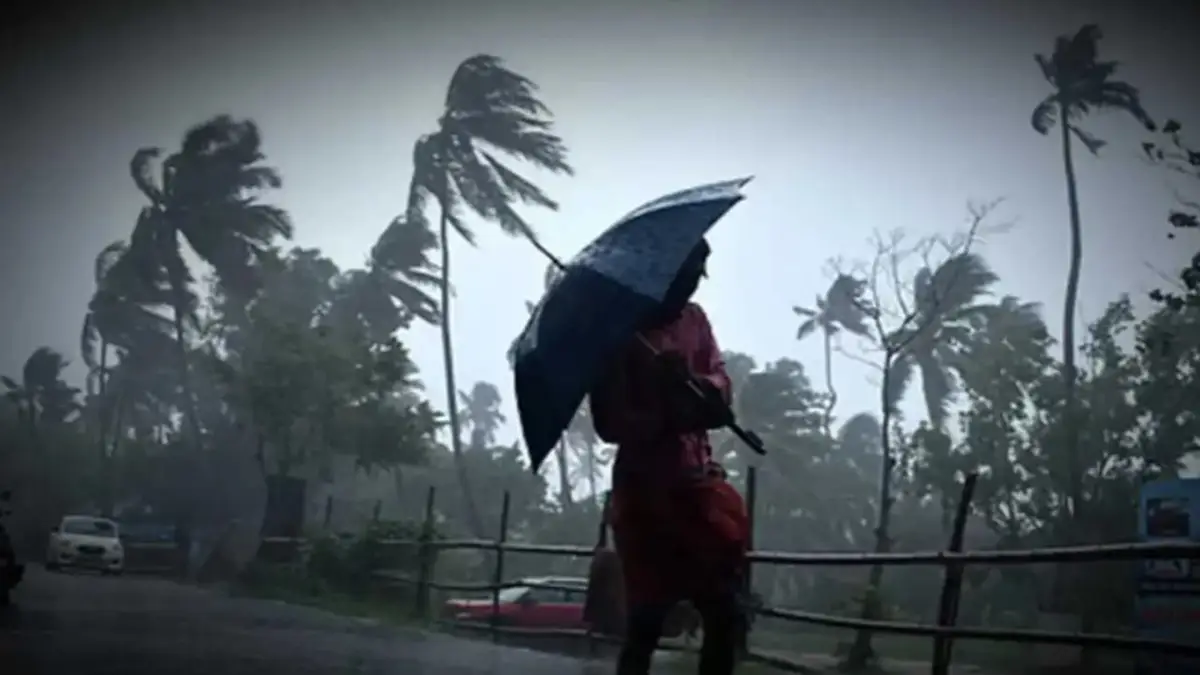
Rainfall in Kerala Has become Less Equable and More Extreme

Kerala has not lost any rainfall, but it has lost its equilibrium.

The changes in climatic patterns have also been caused by:

This can be attributed to the reason that floods and droughts can now happen in the same year. Rainfall that lasts for a short while before the occurrence of dry seasons for an extended period has become a norm.

Landslides and Floods: Rising Threats in Western Ghats

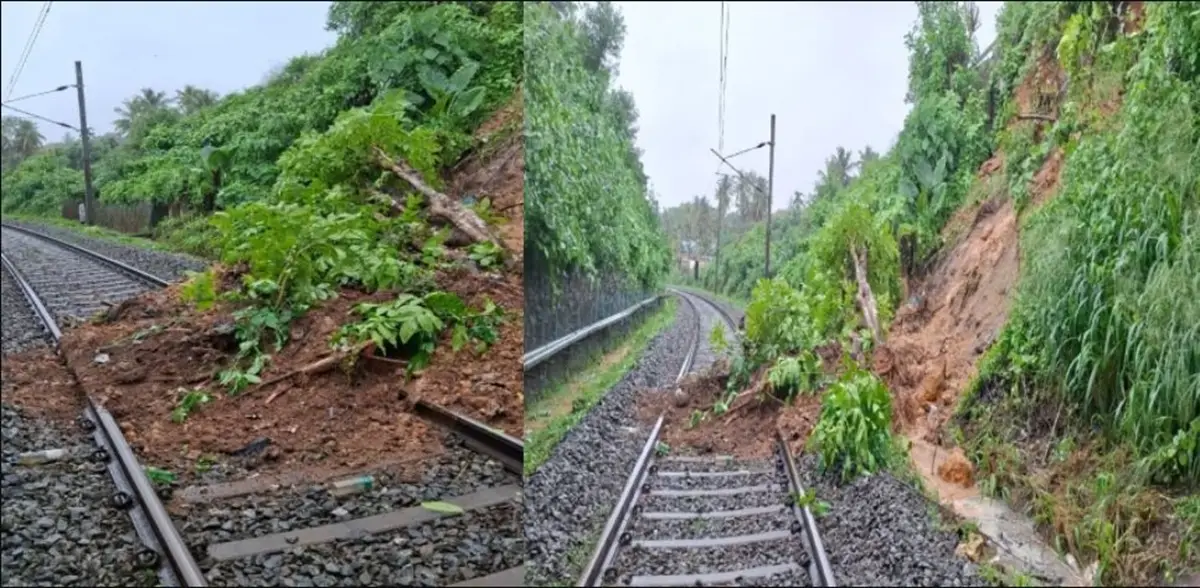
The Western Ghats range is an important factor maintaining Kerala's climate. There has been destabilization because of excessive rainfall, cutting down of trees, quarrying, and construction of roads.

The soil was then becoming saturated in a very short period, thereby causing landslides beyond the monsoon season. Climate change, in conjunction with human actions, has led to a rise in the dangers of disaster in the hilly areas.

Urban Heat Stress in Cities of Kerala

Rapid urbanization in the towns of Kerala has resulted in a pretty significant increase in temperature. Concrete surfaces, reduction of green cover, and heavy construction trap heat in:

As this shows, cities tend to run several degrees warmer than outlying rural areas at any given time; the result is less dramatic seasonal cooling.

Agriculture and Seasonal Cycles Impacts

Agriculture in Kerala largely depends on weather timing. Changes in temperature and rainfall have:

Even winter weather affects the crops on plantations, the flower's cycle time, and the moisture levels in the soil. Changes in this season have come to affect agricultural production the whole year.

Water Scarcity in the Face of Historically

Despite extreme rainfall occurrences, Kerala is also reportedly experiencing increasing water insecurity. Present weather conditions result in:

Wetlands, forests, or traditional water resources that had the capacity to store rainwater have lost that ability; therefore, there is the paradox of humidity without water.

Health Risks Associated with the Effects of Climate Change in Kerala

Weather changes are having a direct impact on the state of public health. Rising temperatures and humidity accelerate the following conditions:

Additionally, unseasonal rains that occur during the winter months make it difficult for people to prevent diseases.

What This Week’s Weather Indicates Regarding Kerala’s Forecast

If the current trends are any indication, Kerala is set to face the following challenges:

The New Year weather is no longer a sign of a fresh new season; it is a sign of climate momentum.

The Way Forward: Awareness & Action

Kerala must concentrate on adaptation to climate and planning for sustainable development. The key actions are:

Another important aspect is public awareness. When people realize the difference between current weather and climate change, there is preparation instead of panic.

As the state welcomes a new year, today’s weather forecast must not just be read as news, it must be interpreted as a warning signal. Acknowledging this fact is the first step towards saving the state’s environment and future.